

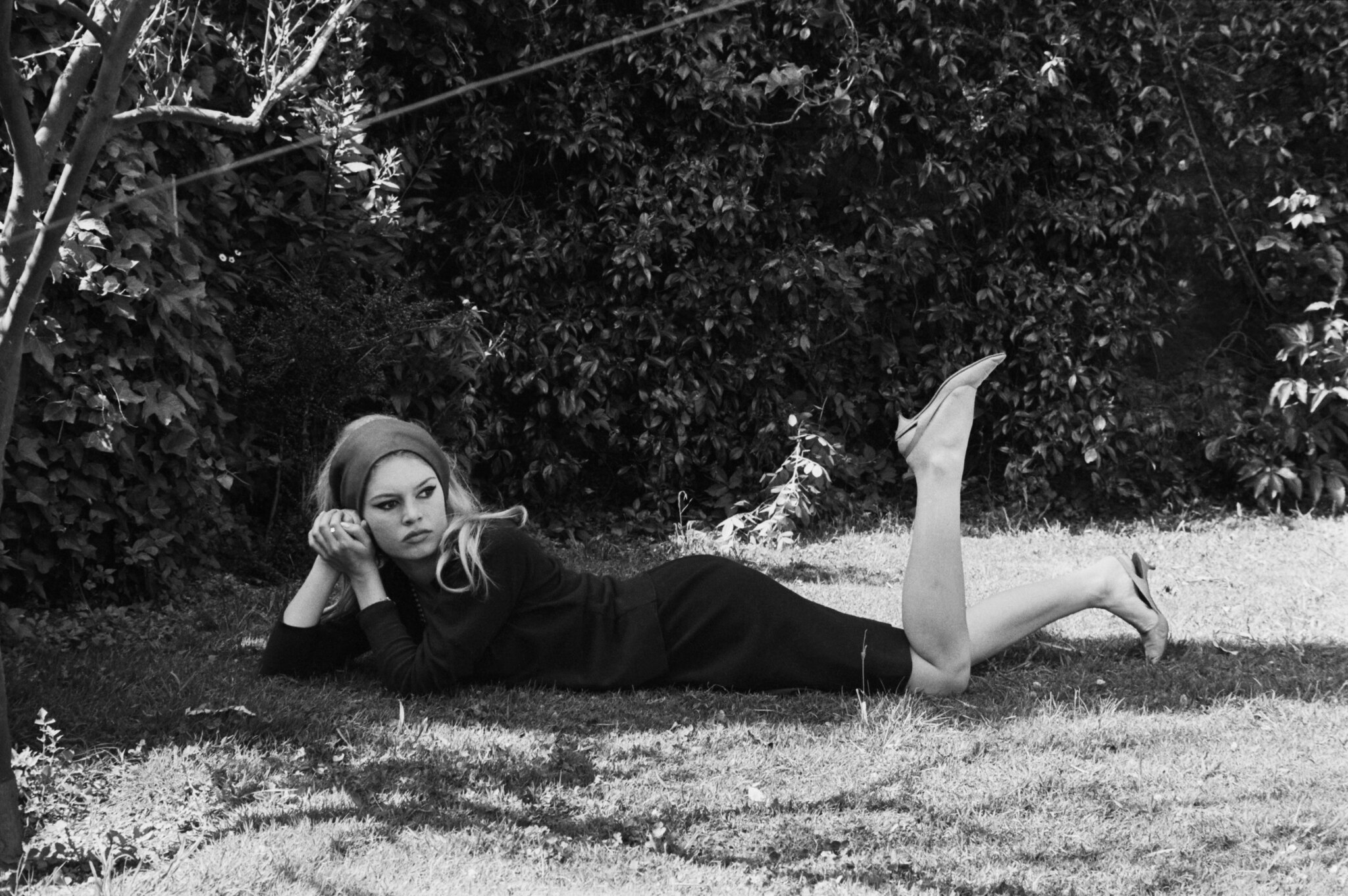
Brigitte Bardot, one of the most recognizable figures of 20th-century cinema and global culture, has died at the age of 91. The Brigitte Bardot Foundation, the animal rights organisation she led for nearly four decades, announced her passing on 28 December 2025, marking the end of a life that spanned film, fashion, activism and cultural debate.
Born Brigitte Anne-Marie Bardot in Paris in 1934, Bardot’s early career began in modelling and dance before she transitioned to film in the early 1950s. Her breakout came with And God Created Woman (1956), directed by then-husband Roger Vadim, a role that launched her to international fame and made her a symbol of post-war sensuality and youthful rebellion. Her presence on screen combined a naturalistic performance style with an unapologetic charisma, reshaping how women were portrayed in mainstream cinema
Cinema and cultural impact
Bardot’s influence reached far beyond box office figures. In the mid-20th century she became a cultural touchstone for a new kind of femininity — one that blended independence, sensuality and defiance of traditional norms. Her look, attitude and roles helped redefine expectations of women in media, providing a template for later cultural expressions of female autonomy. French philosopher Simone de Beauvoir once described her as a “locomotive of women’s history”, recognising Bardot’s significance in shifting both cinematic representation and broader social attitudes toward women’s freedom.
Her style had a similarly lasting effect. Bardot popularised looks that became staples in fashion — from the bikini and off-the-shoulder tops to the messy “choucroute” hairstyle and effortless French chic — influencing designers and style movements for generations. Her image became part of the global fashion lexicon, with thousands of women emulating her aesthetic from the 1950s onwards.
Beyond film: activism and controversy
In 1973, Bardot retired from acting at 39 to focus on animal rights. She created the Brigitte Bardot Foundation in 1986, dedicating the rest of her life to campaigns against cruelty to animals, from seal hunting to laboratory testing. Her activism attracted widespread attention and contributed to significant policy shifts in animal welfare debates both in Europe and beyond.
However, her later years were also marked by controversy. Bardot’s outspoken views on immigration and Islam led to multiple legal convictions for inciting racial hatred, sparking public debate and criticism that complicated her legacy. Her political stances attracted attention as much as her earlier cultural achievements, generating reflection on the limits of celebrity influence and the responsibilities that come with public voice
A symbol of freedom, complexity and debate
Reactions to her death highlighted the breadth of her impact. French President Emmanuel Macron described Bardot as “a legend of the century”, emphasising her role in cinema and animal welfare, while acknowledging her embodiment of freedom in multiple forms. Local leaders in Saint-Tropez, where she lived for many years, noted her contribution to the town’s global identity. Animal welfare groups paid tribute to her decades of activism.
Bardot’s life was not without contradiction. She embodied sensual liberation on screen, redefined cultural style, and later became a relentless advocate for the voiceless. At the same time, her public statements on social issues sparked debate that continues to influence discussions on celebrity, politics and cultural responsibility.
Her death invites a nuanced reflection on her legacy: a groundbreaking figure in film and fashion, a passionate — and often polarising — activist, and a woman whose life mirrored the tensions and transformations of modern culture. Bardot remains a symbol not only of mid-century glamour but of the complex intersections between celebrity, identity and societal change.