

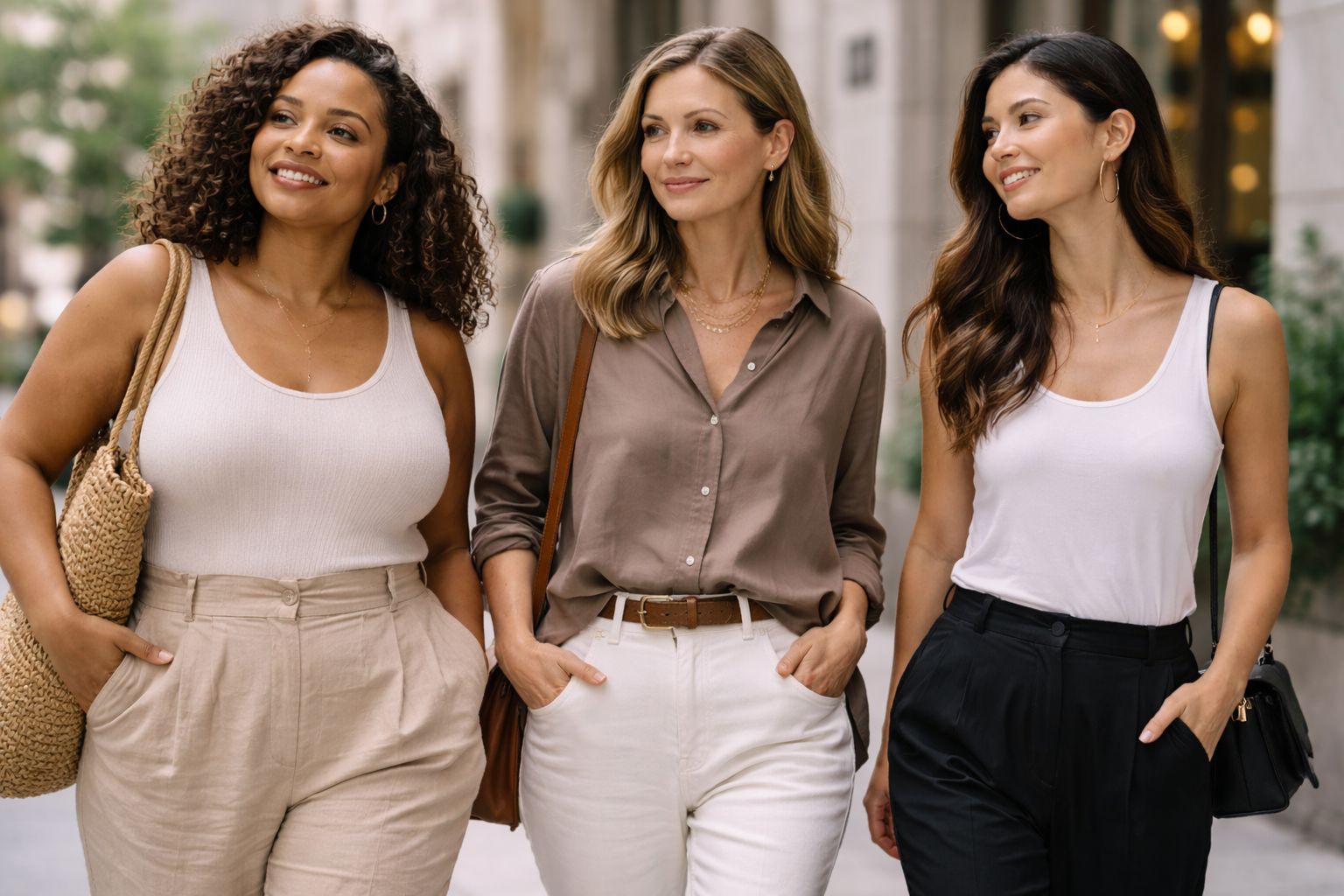
For years, body positivity has been one of the most visible narratives in fashion and media. It challenged narrow beauty standards, demanded representation and encouraged women to love their bodies as they are. That shift was necessary. It opened doors that had long been closed. But today, a quieter and more pragmatic approach is gaining ground: body neutrality.
This is not a backlash against body positivity. It is an evolution. And it reflects how many women actually experience their bodies in everyday life.
When positivity becomes pressure
Body positivity was born as a radical movement. Over time, however, it has been absorbed by marketing and social media. The message subtly shifted from “your body is enough” to “you should love your body, always”.
For many women, this created a new form of pressure. Loving one’s body became another expectation, another performance. On days when confidence was low, failure felt personal. The movement that was meant to liberate sometimes ended up prescribing a new emotional standard.
Body neutrality emerges as a response to this fatigue. It removes the obligation to feel positive. It allows ambivalence, distance and neutrality.
What body neutrality actually means
Body neutrality does not reject beauty, style or self-expression. It simply reframes the relationship with the body. Instead of being the center of identity, the body becomes a functional, lived-in reality.
The focus shifts from appearance to experience. From how the body looks to what it allows someone to do. From constant self-evaluation to presence.
In fashion terms, this translates into clothes that serve the wearer rather than define her worth. Comfort, fit, movement and adaptability become priorities. Style becomes a tool, not a verdict.
Fashion without constant self-surveillance
Fashion has historically trained women to monitor themselves. Mirrors, sizes, trends and “flattering” rules reinforced the idea that the body needed correction.
Body neutrality disrupts this dynamic. It questions why clothes should exist to hide, reshape or justify the body. It favors garments that adapt to different bodies without turning them into statements.
This does not mean abandoning aesthetics. It means detaching aesthetics from moral judgment. An outfit is no longer good or bad based on how much it enhances or disguises the body. It is simply a choice.
A generational and cultural shift
Younger generations, in particular, appear less interested in aspirational body narratives. They are more comfortable with inconsistency, fluidity and contradiction. Some days are confident. Others are not. Neither requires explanation.
Body neutrality fits this mindset. It aligns with broader cultural movements that reject constant optimization, emotional labor and self-branding.
Fashion brands that respond to this shift focus less on “loving yourself” messaging and more on usability, inclusivity and realism. Campaigns show bodies without asking them to perform empowerment.
Less obsession, more autonomy
One of the most significant effects of body neutrality is cognitive relief. When the body stops being a constant project, mental space opens up. Energy moves elsewhere: work, relationships, creativity, rest.
This is particularly relevant in a media environment saturated with images and opinions. Body neutrality offers a form of disengagement. It allows women to exist without narrating or justifying their physical presence.
In this sense, neutrality becomes a form of autonomy.
Not indifference, but balance
Body neutrality is often misunderstood as indifference or detachment. It is neither. It acknowledges that bodies matter, but not all the time. It accepts that feelings about the body fluctuate, and that none of those feelings define value.
In fashion, this creates room for a more honest relationship with clothes. One where style is chosen for pleasure, practicality or expression, not for validation.
Body positivity broke the silence. Body neutrality breaks the obsession.
The shift is not about caring less. It is about caring differently.